The most important garden tip in Winter!
Here’s our most important thing we do in our garden over Winter – plant cover crops!
Many gardeners treat their garden soil as a lifeless growing medium to drop some seeds into and get some veggies. In reality, soil is a living organism and without proper maintenance can quickly become exhausted by gardening.
Cover crops are a green manure that protect the soil surface. By using them gardeners can maintain the structure of the soil, retain critical nutrients, suppress weeds and attract beneficial insects.
Oh and I did mention…… this is going to equal BIG vegetables and LARGER harvests? Yup!
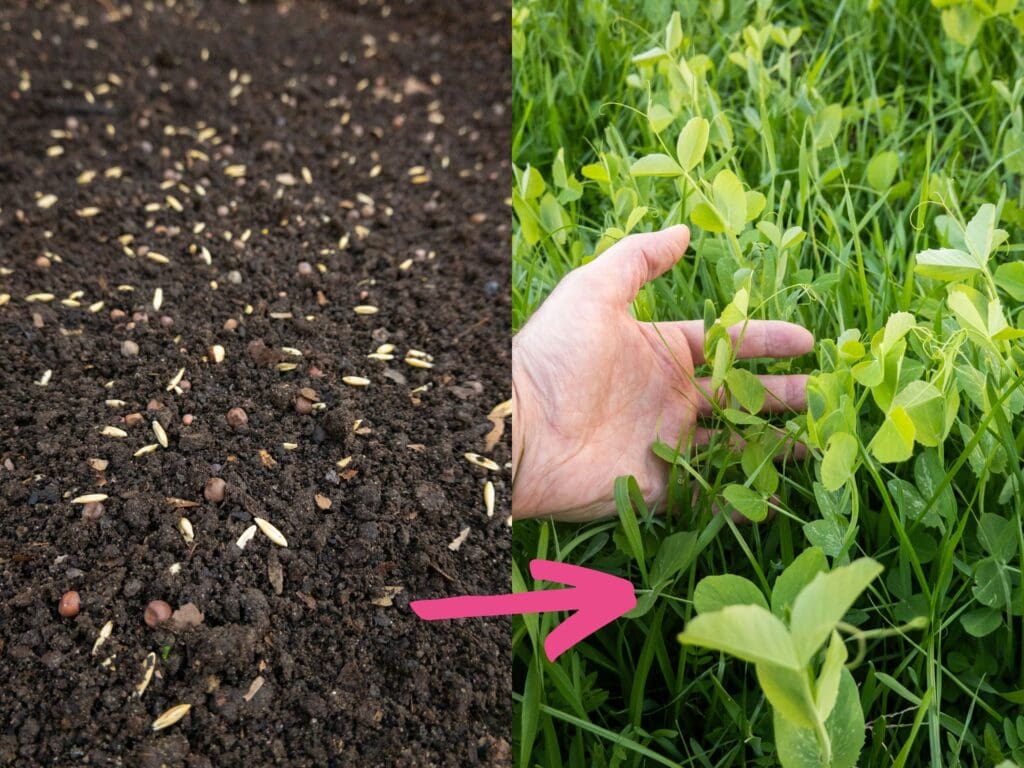
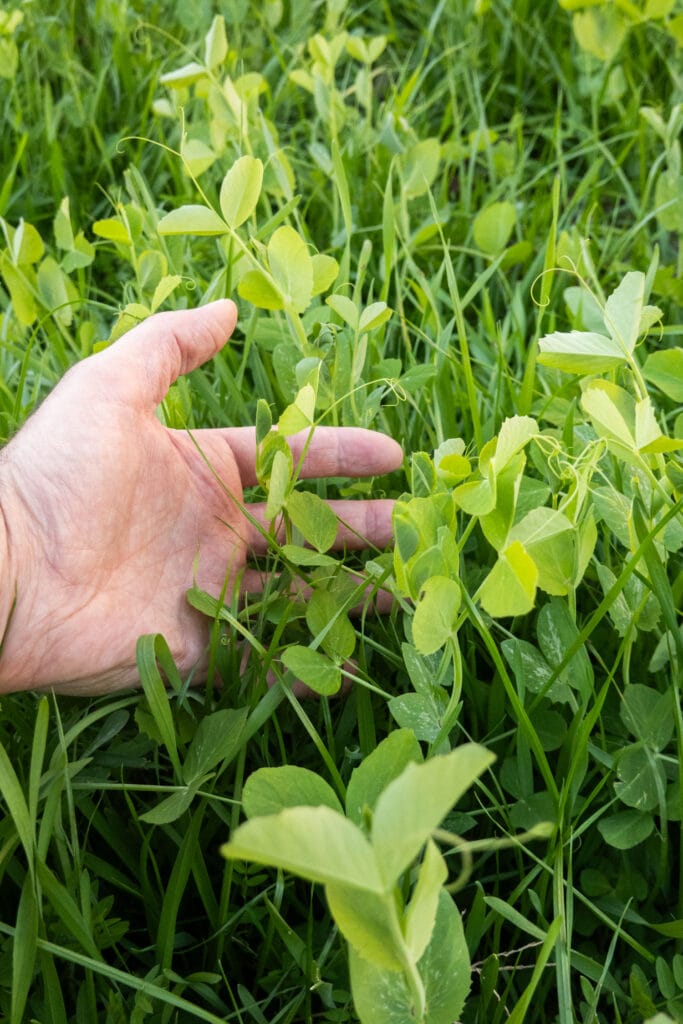
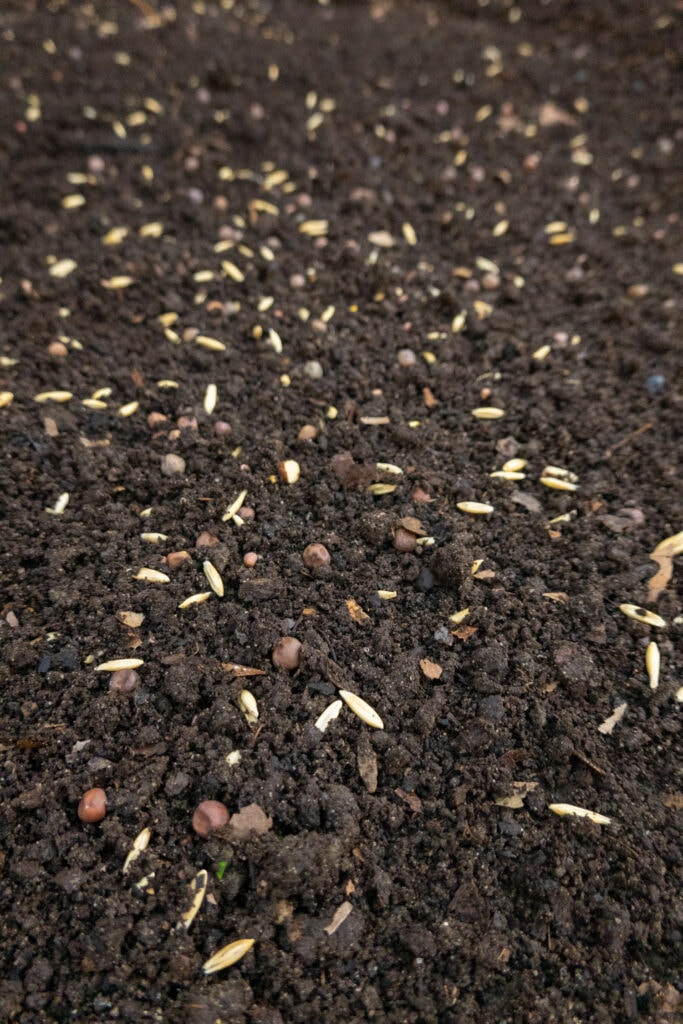
Here’s a before and after so you can see how cover crops look.
Like this gardening help? Also check out my Everything You Need to Know About Growing Celery and How to Plant Onion Sets (to grow BIG onions!) too!
Advantages to Planting Cover Crops
Planting cover crops is like giving the soil a protective hug. These crops prevent soil erosion, stop weeds naturally, and improve soil health. They act as a shield against wind and water, keeping nutrients in place for future crops. By doing this, gardeners save money, promote a healthier environment, and ensure the land stays fertile for the long haul.
Enhance Nutrients which will equal bigger harvests and bigger vegetables. Many cover crops can fix nitrogen from the air into the soil. Prevent Soil Erosion Cold, wet winter winds can erode your soil. Cover crops help protect your topsoil. Weed Suppression Cover crops can reduce the need for manual weeding by outcompeting weeds for resources. Improving Soil Structure Cover crops can breakup compacted soil and improve aeration.
Varieties of Cover Crops
There are many varieties of cover crops but the most common are:
oats rye field peas crimson clover hairy vetch radishes marigolds
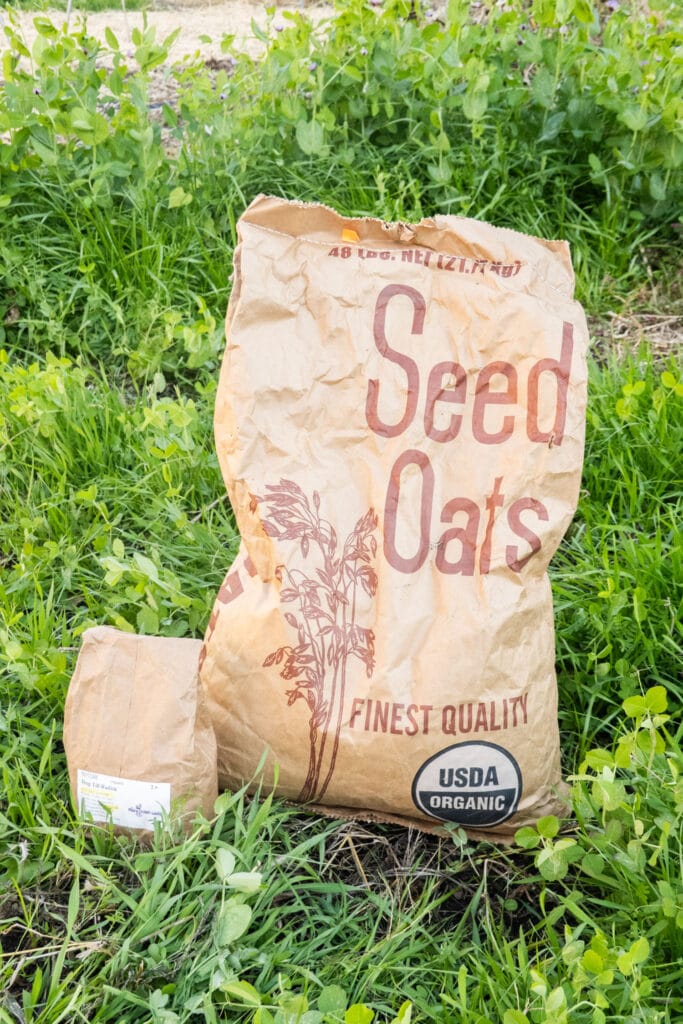
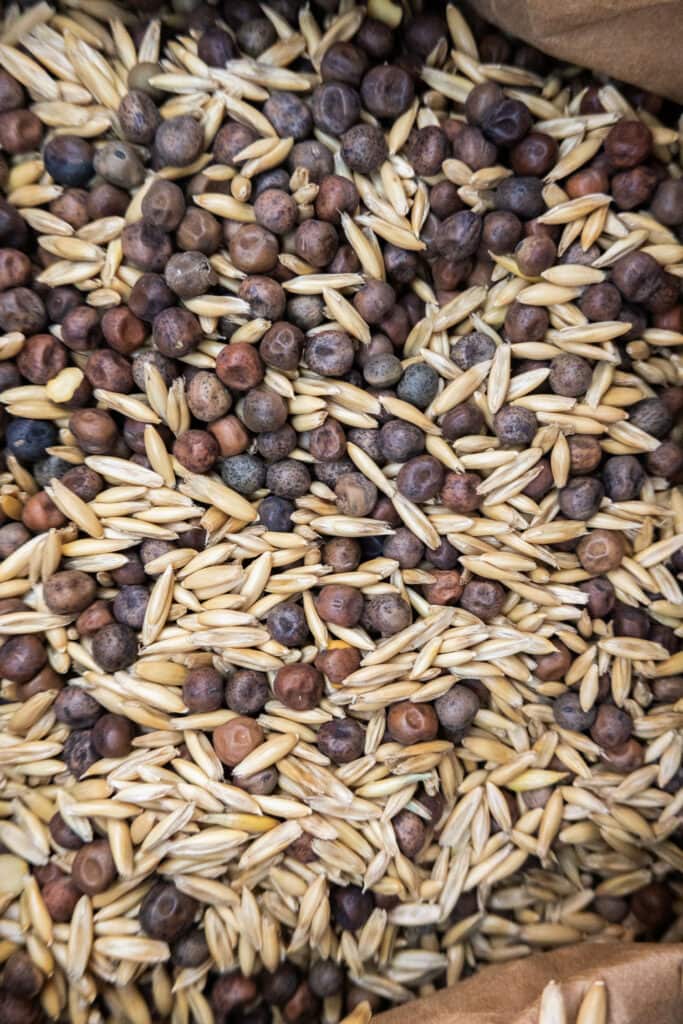
We use a combination of oats, field peas and radishes in our garden.
When To Plant Cover Crops?
In NYC we plant during late fall as our crops finish production and before it gets too cold. In temperate climates, crops are usually planted during the fall. This gives them enough growing time to become established before dying off during a hard freeze. You can even turn cover crops into a year-round growing project, by interplanting them throughout the year with your crops for weed prevention. Example: Planting clover in between corn.
Chemical Fertilizers vs. Cover Crops
Using chemical fertilizers can give you a big initial boost but this is a short-term fix. Cover crops are more sustainable over the long-term because they provide critical nutrients while also improving soil structure and health. Many cover crops can take nitrogen from the atmosphere and in a symbiotic relationship with microorganisms put it back into the soil. Plants need nutrients to survive and grow. Nitrogen is the most critical of these nutrients.
Disadvantages to Planting Cover Crops
There’s not many disadvantages to planting cover crops. Planting cover crops takes time to maintain and money for the seed, but if you’re growing food to actually eat it (and preserve it) it’s worth it. Without proper maintenance or a hard winter freeze there is some risk of cover crops becoming weeds, so please monitor your garden to maintain the cover crops.
Pin for later: